
Moto G4 and Moto G4 Plus Android 7.0 Nougat update rolls out in India

The slow rollout of Android 7.0 Nougat to more and more smartphones continues today, as owners of the Moto G4 and Moto G4 Plus in India can now finally download the latest version of the OS.


In addition to the upgrade to Nougat, these new updates for Lenovo’s budget-priced smartphones also include the November Android security patches. Since this is a pretty large file to download, Moto G4 and G4 Plus owners in India are advised to connect to a Wi-Fi network to grab this major update. Their phones should also have at least a 50 percent charge beforehand. Finally, the company notes the file could take up to 20 minutes to successfully install on their phone.
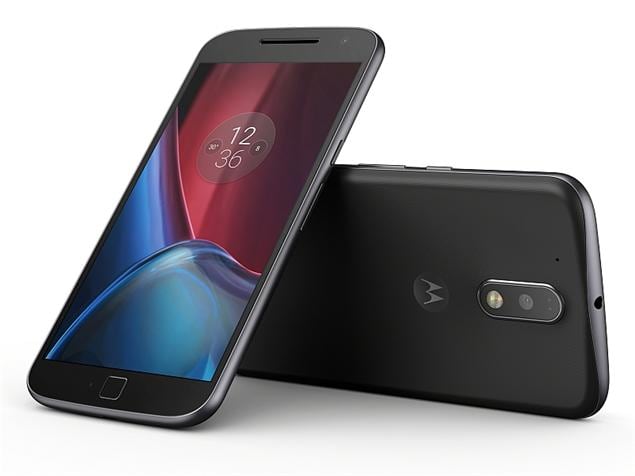

If you’re a G4 or G4 Plus owner in India and have yet to receive the update, head to your device’s Settings menu, then choose About phone, then System update. As always the update may take a few days roll out to everyone, so don’t worry if you don’t receive the update right away. If you’re interested in seeing the full changelog for the update, head here.

These are some screenshots of the OS update notification because i'm currently using Moto G4 Plus. 


And these are some screenshots of Android 7.0 Nougat UI.

Main Home Page Interface

Android 7.0 Nougat Official icon

Hear is the major change the split screen.


And another major change in settings menu.


Full length of display width in notification pan is looking very different then 6.0 and the quick toggles are very helpful too.

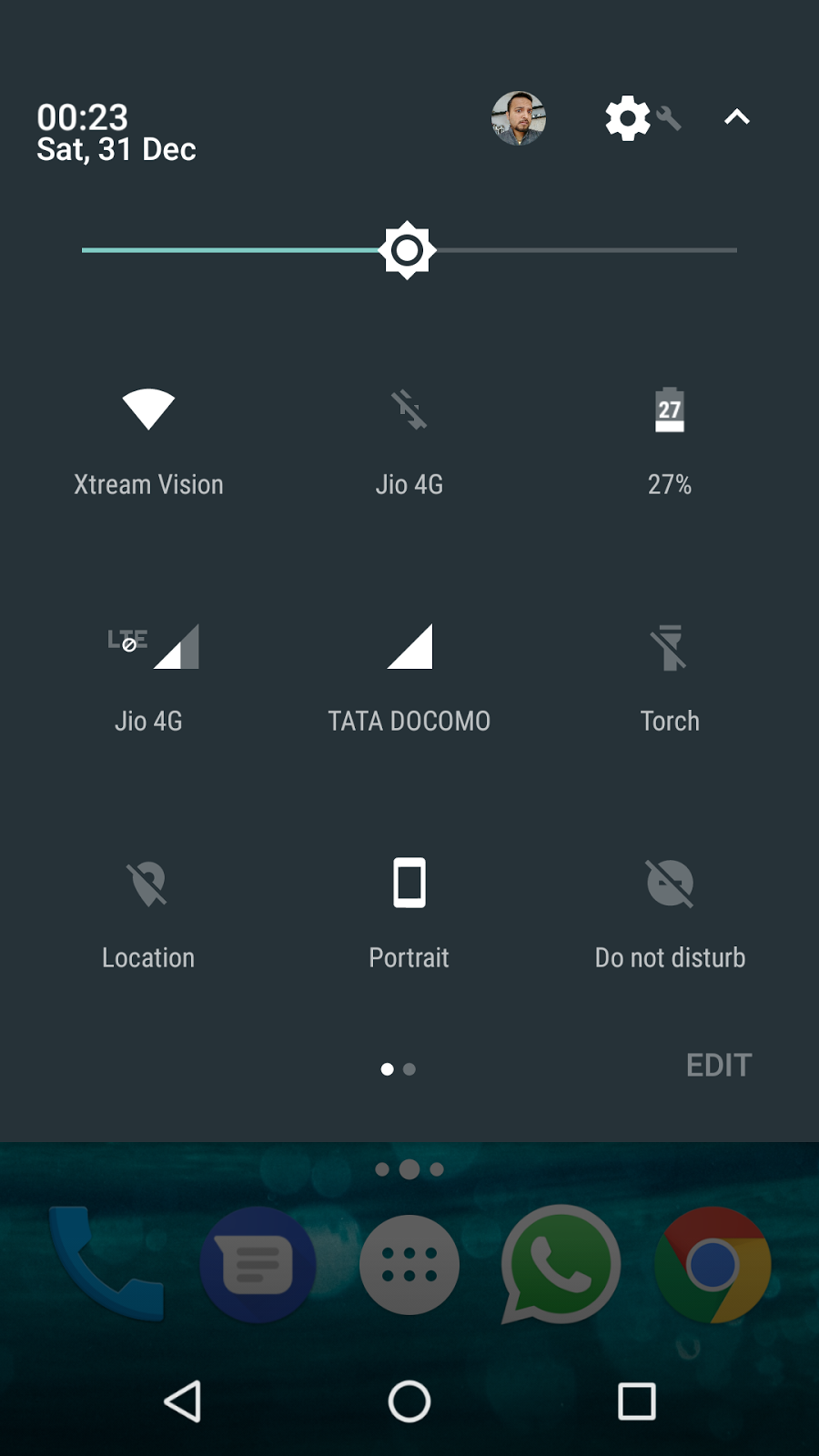

The Easter Egg is fun part you have to collect cats as many as possible.


That's all from my side hope you'll enjoy. Stay updated with new posts by Curious4Tech24X7.

Comments

Popular posts from this blog

Lenovo Yoga Book with Halo keyboard launching in India on December 13

Lenovo Yoga Book, the tablet hybrid will launch in India on December 13. The company has sent out media invites for an event where the company will announce its hybrid tablet with a never seen before design.   Lenovo Yoga Book running Android or Windows was first showcased at IFA 2016. Lenovo says Yoga Book is the thinnest laptop hybrid and it is unlike anything else available in the market. Under the heart of Lenovo Yoga Book is an uninspiring Intel Atom x5-Z8550 processor, which Lenovo finds as a common thread in the world of Android and Windows. The device features a 10.1-inch IPS LED display with a full HD resolution of 1920 x 1200 pixels. The interesting part, however, is the other half of the device which basically skips traditional keyboard for a Halo effect. Yes, the keyboard is literally called Halo keyboard and it appears on demand, similar to the virtual keyboard on your smartphone.   Lenovo Yoga Book's Halo surface also accepts Pen inpu...

Some Android app updates could cut their file sizes by 65 percent or more

As any Android smartphone owner knows, updates from the  Google Play Store  can come quite frequently for many popular apps. They can also use up data if updates are conducted on a cellular network. Today, Google announced a new approach for Android app downloads. The good news is this method could solve the problem of using a ton of data for such updates. In a blog post, Google describes the new approach, which it calls File-by-File patching. In the old days, Android apps were updated by downloading the app’s entire APK file. In 2016, the company began using the bsdiff algorithm to cut app file size updates by 47 percent. File-by-File patching can go even further, reducing app updates by an average of 65 percent. In fact, some app updates could be cut down by as much as 90 percent with this method. Normally, an APK file is compressed using a technology called Deflate, but Google says any change to the app’s original uncompressed content “can make the compres...

Will anyone be sad to lose Samsung’s physical home button?

The physical home button is a smartphone facet that’s slowly becoming extinct. In 2016, the flagship devices from Google, Sony, LG, and Huawei all lacked such a button on their hardware. Meanwhile, Samsung has been holding onto the physical home button – it was still in place on its most recent flagship, the ill-fated  Galaxy Note 7  – though the company is expected to ditch it on its upcoming flagship, the  Galaxy S8 . But what impact will losing physical home buttons have? To answer that, let’s first explore its origins. The move to touchscreens Though it wasn’t the first device to make use of a touchscreen, much can be attributed to the original iPhone for popularizing it. When numbers and letters could be drawn on a display, there was no longer a need for a traditional keyboard setup, meaning screens were able to occupy a larger space on the handset without increasing the size of the body overall. What’s more, the keys could be contextual: when using the d...